The problem
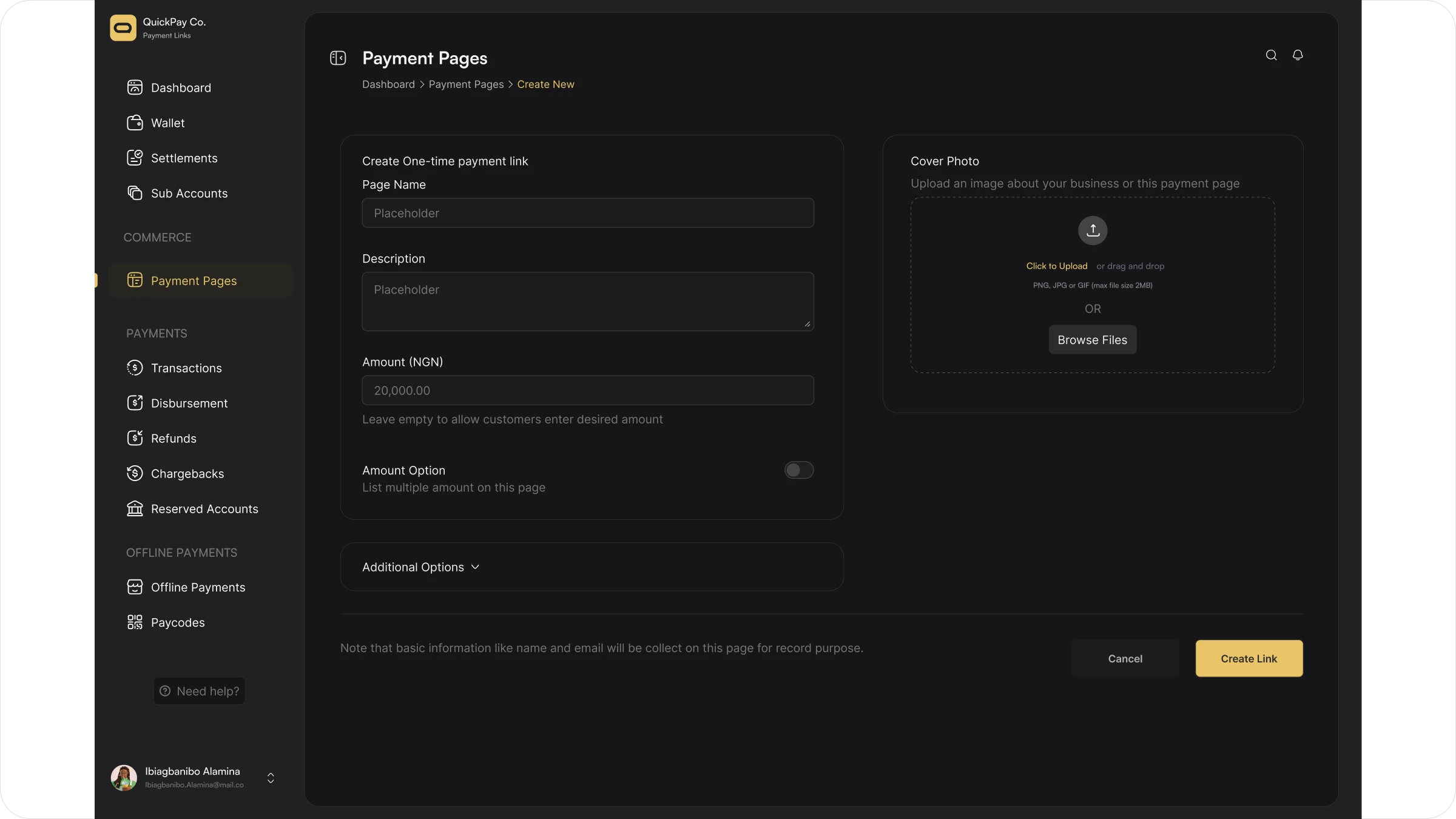
Small businesses, freelancers, and event organizers often need to collect online payments without building a website or configuring a complex payment gateway. For non-technical users, that setup becomes a barrier before a transaction can even begin.
QuickPay was designed as a no-code alternative: create a custom payment link, share it, and manage the resulting activity from one place.

Audience and goals
The product serves solopreneurs, freelancers, small and medium-sized businesses, event organizers, and marketplace operators. Research highlighted four priorities: simplicity, customization, security, and useful payment data.
The design needed to make the first successful payment link feel immediate while still supporting more advanced management as a business grows.
Designing the workflow
User interviews informed wireframes and interface concepts, which were refined through usability testing. The core experience brought together:
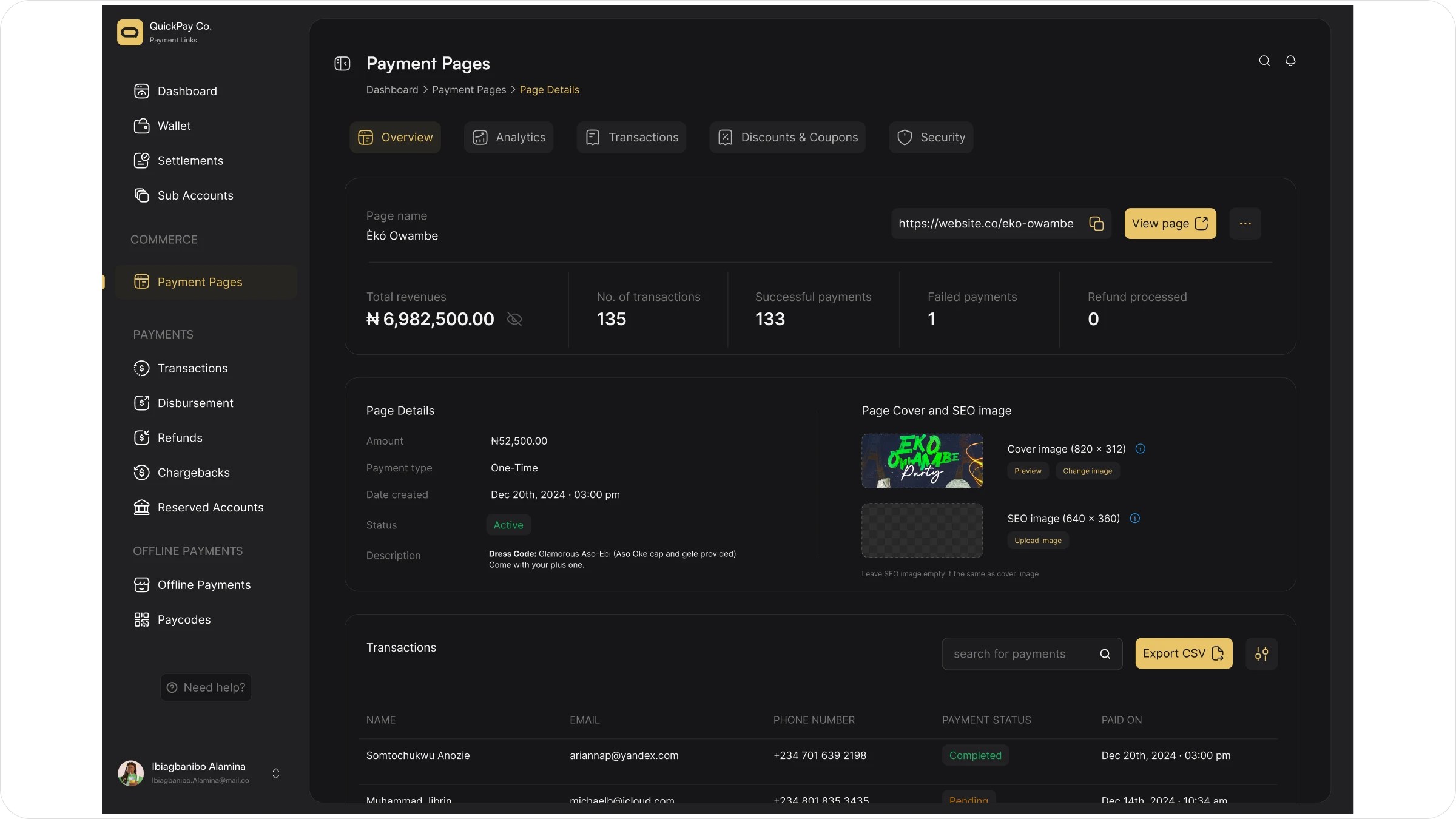
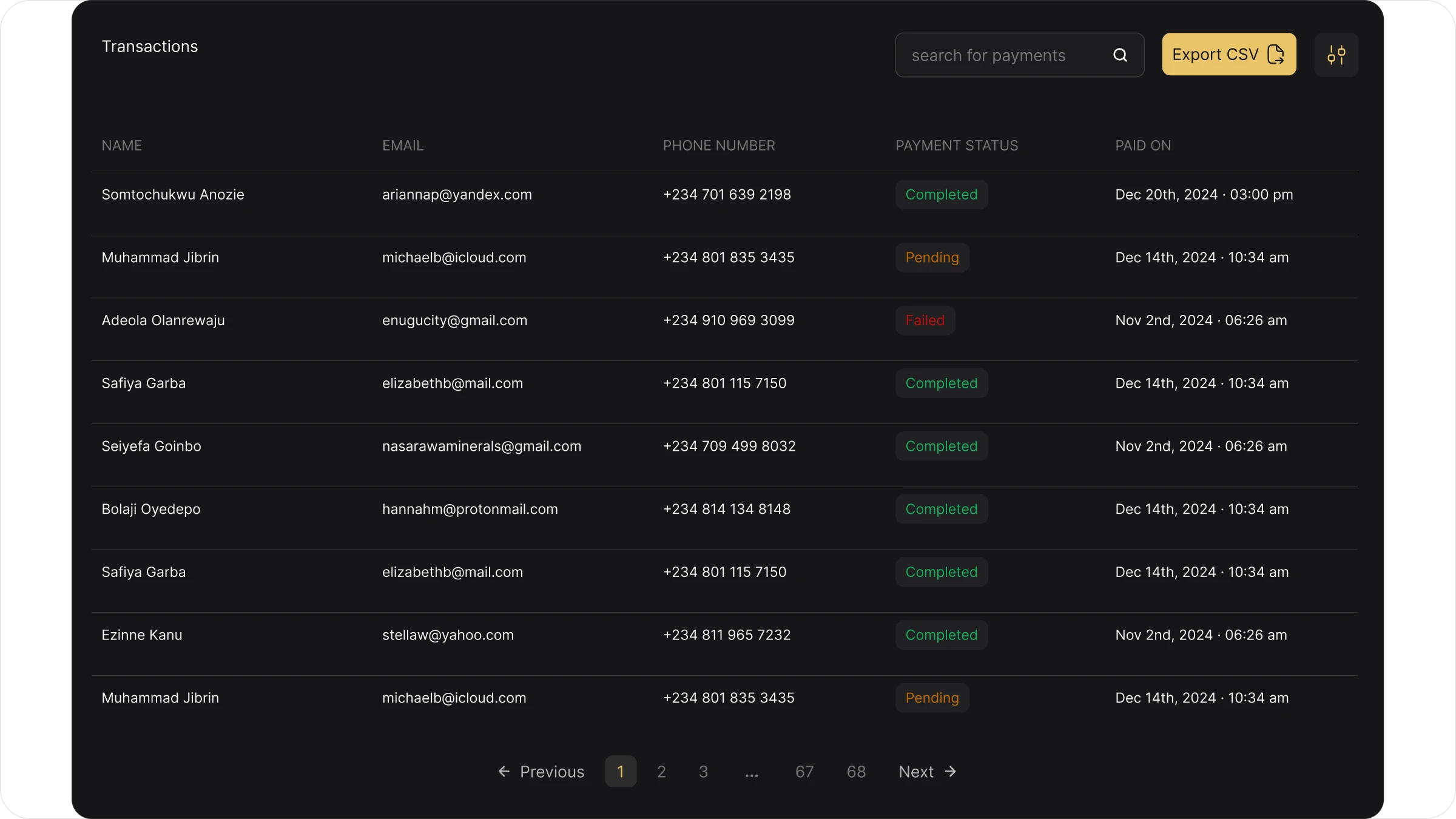
- A centralized dashboard for managing payment links.
- Flexible options for different payment types.
- Brand customization for individual businesses.
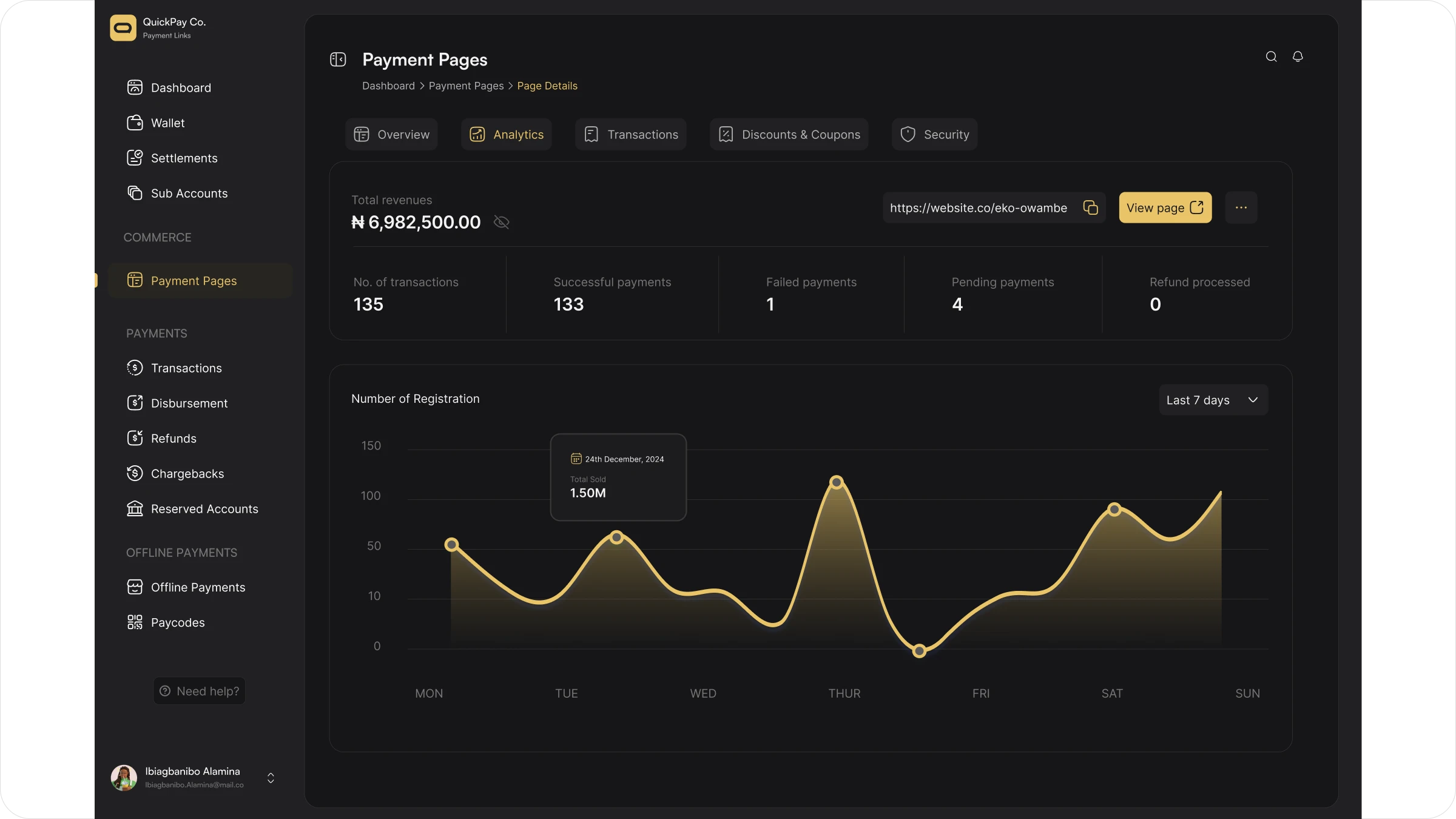
- Analytics for understanding payment activity.
- Secure payment processing.
Validation and launch
The prototype was tested with users to identify moments of friction and improve overall usability. The source case study records that QuickPay launched and received positive feedback from early adopters, but it does not publish quantitative adoption or conversion metrics.
What comes next
The future direction includes more advanced analytics, integrations with popular commerce platforms, and support for broader international use. Those opportunities build on the same principle as the first release: remove technical friction from getting paid online.